
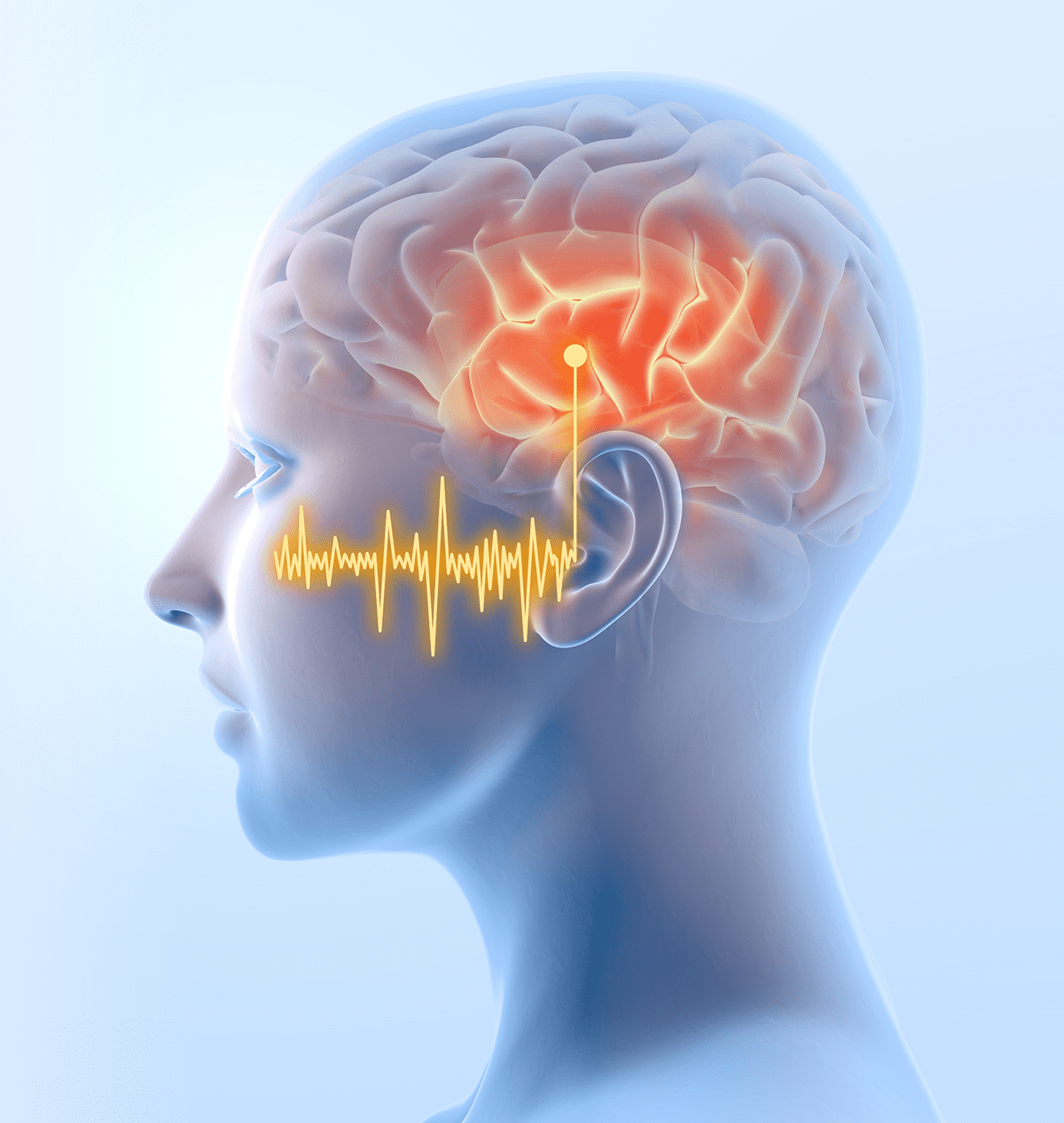
Can Treating Hearing Loss Lower Your Risk of Dementia?
by: Rixon Rouse, Au.D. Audiologist at San Francisco Hearing Center
Most people think of hearing loss as an inconvenience, something that makes the TV louder, conversations harder, and noisy restaurants genuinely exhausting. But what happens in your ears doesn’t stay in your ears. Over the last decade, researchers have built a compelling case that untreated hearing loss affects brain health in ways that go well beyond communication. Here’s what the current science tells us about the connection between hearing loss and dementia and what it means for you.
Hearing Loss Is the Single Biggest Modifiable Risk Factor for Dementia
The Lancet Commission on Dementia Prevention is one of the most authoritative research bodies studying dementia risk. The commission has reviewed global evidence across three major reports in 2017, 2020, and again in 2024. Each time, hearing loss ranked at the top of their list of modifiable risk factors. Out of everything within our potential control, including blood pressure, physical activity, social engagement, and smoking, untreated hearing loss in midlife carries the greatest modifiable risk for cognitive decline and dementia.
Your Brain Works Overtime When You Can’t Hear Well
When sound arrives degraded, muffled, or incomplete, your brain fills in the gaps. It does this constantly, often without you realizing it. That extra effort comes at a real cost. Resources that might otherwise support memory, focus, or problem-solving get redirected toward simply keeping up with conversation.
Think of it like following a conversation in a loud room while also trying to remember where you parked. You can do both, but neither gets your full attention. When that divided effort becomes the baseline of every conversation, day after day, it chips away at the mental energy you need for memory, focus, and clear thinking.
Social Withdrawal Makes It Worse
One of the quieter consequences of hearing loss is social withdrawal. When following a conversation takes real effort, it’s natural to avoid the situations that demand it. Group dinners, phone calls, and noisy gatherings start to feel more like work than pleasure.
The trouble is that staying socially connected is one of the best things we know of for keeping the brain healthy. When hearing loss quietly erodes that connection, it takes something important with it not only your quality of life, but also a genuine protective factor for the brain.
Hearing Loss Treatment Can Slow Cognitive Decline
The strongest evidence on this question comes from the ACHIEVE study (Aging and Cognitive Health Evaluation in Elders), the largest randomized controlled trial ever conducted on hearing intervention and cognitive outcomes. Researchers followed nearly 1,000 older adults and found that participants who received hearing loss treatment experienced significantly slower cognitive decline than those who went untreated. The effect showed up most clearly among those with the highest existing risk factors for dementia. Hearing aids aren’t a guaranteed shield against dementia, but the evidence increasingly points toward real benefit especially for those who act sooner rather than later.
A Simple First Step Worth Taking
You don’t need to wait until hearing becomes a daily struggle to have it evaluated. Many people are surprised to learn they have meaningful hearing loss long before it feels obvious and the earlier you know, the more options you have.
If conversations take more effort than they used to, or you find yourself asking people to repeat themselves more often, that’s worth paying attention to. A hearing evaluation is a straightforward, low-stakes way to understand where you stand.
At the San Francisco Hearing Center, we see hearing health as part of the bigger picture of aging well. If you have questions or want to schedule a hearing evaluation, we’d be glad to help.
Did you know?
A poorly fit hearing aid is a missed opportunity for your ears and your brain. At the San Francisco Hearing Center, we use real-ear measurements at every fitting to make sure you are getting exactly the sound your brain needs to stay sharp.

